Hospitals and Clinic Locations
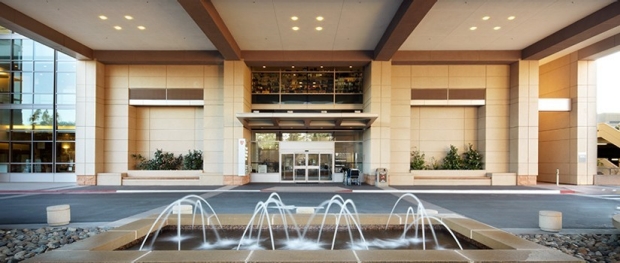
Stanford Cancer Center Palo Alto
Stanford Cancer Center is a state-of-the-art medical building offering the latest advances in patient-focused treatment in a warm and supportive environment. Consolidating our resources for diagnosing and treating cancer, the Cancer Center enhances Stanford's team approach to care, while enabling patients and their families to stay in one location for procedures and tests, and focus on healing.
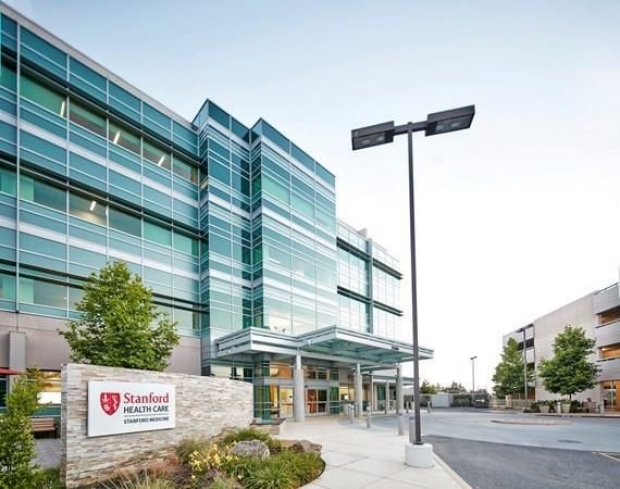
Stanford Cancer Center South Bay
Stanford Cancer Center is recognized worldwide for our advanced clinical care, scientific research and technological inventions. It's all available at our newest location, Stanford Cancer Center South Bay.
Stanford Cancer Center South Bay brings together world-class specialists and sophisticated technology in a spacious, serene, state-of-the-art building designed by patients, for patients. We offer the most advanced, innovative treatments, access to more than 300 clinical trials, and the ease and efficiency of a single, convenient location.
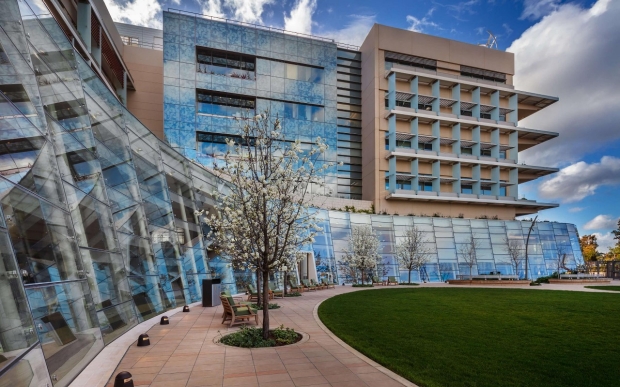
Stanford Children's Health -Lucile Packard Children's Hospital
Bigger isn’t always better, but we’re happy to say it’s true for the new Lucile Packard Children’s Hospital Stanford. Now one of the nation’s most technologically advanced, sustainable hospitals will help even more children and their families. Our expansion adds 521,000 square feet of space to the existing hospital—providing a remarkable modernization in our ability to care and cure.
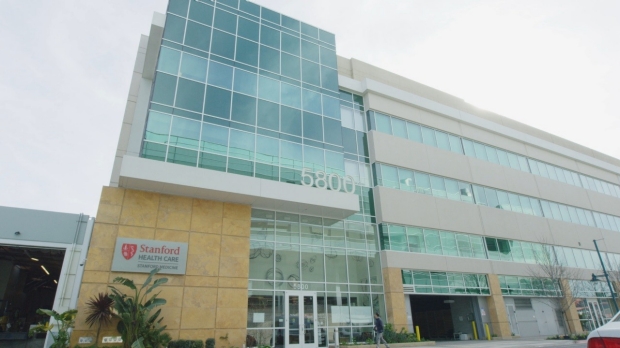
Stanford Health Care Emeryville
Stanford Health Care, Emeryville brings access to Stanford Medicine primary care, specialty care, diagnostics and procedures to a convenient East Bay location. Our 90,000 square foot multi-specialty outpatient center not only offers leading-edge medicine, but we’re pioneering new ways to make getting care more convenient.
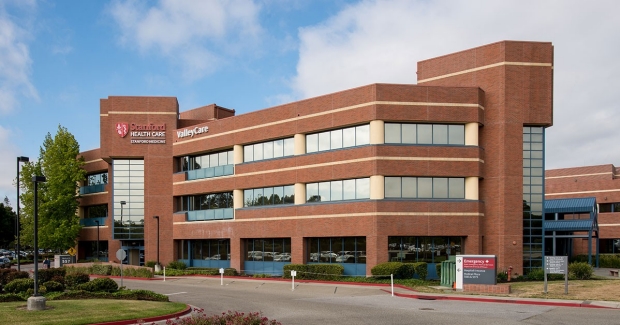
Stanford Health Care Valleycare
Stanford Health Care – ValleyCare combines the expertise of local physicians with the innovative strength of Stanford Health Care. Formed in 2015 when ValleyCare Health System became part of Stanford Health Care, we provide the Tri-Valley with exceptional, patient-centered community medicine, coupled with specialized Stanford Medicine programs to deliver a full continuum of care.

Stanford Hospital at 300 Pasteur Drive
At Stanford Health Care, we seek to provide patients with the very best in diagnosis and treatment, with outstanding quality, compassion and coordination. With an unmatched track record of scientific discovery, technological innovation and translational medicine, Stanford Medicine physicians are pioneering leading edge therapies today that will change the way health care is delivered tomorrow.
As part of our spirit of discovery, we also leverage our deep relationships with luminary Silicon Valley companies to develop new ways to deliver preeminent patient care.
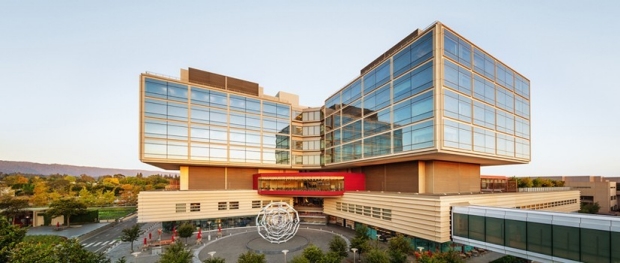
Stanford Hospital at 500 Pasteur Drive
A reimagined space for health and healing, this extraordinary new facility doubles our capacity for patient care and modernizes our ability to treat and cure. It blends the most advanced medical technologies with a human-centered approach to patient care and brings us closer to achieving our vision—to predict, prevent and cure more precisely.

Stanford Medicine Outpatient Center in Redwood City
Our most recent development at Stanford Medicine Outpatient Center, Pavilion D, is now open. Here, Stanford Medicine doctors deliver advanced services in a state-of-the-art facility designed with your quality care, comfort and convenience in mind.
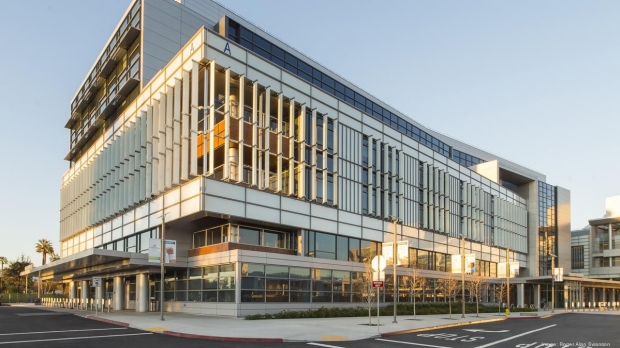
Santa Clara Valley Medical Center
Santa Clara Valley Medical Center serves as the county and city medical facility for Santa Clara County and the city of San Jose, with 641 inpatient beds and nearly 100,000 emergency room visits yearly. It is approximately a 30 minute drive South of Stanford University Medical Center. It houses the Regional Federal Spinal Cord and Head Injury Rehabilitation Center for Northern California, and thus provides in-depth exposure to neurourology. Valley Medical Center is also the Regional Trauma Center, and as such, provides experience in the diagnostic evaluation and management of patients with urologic trauma. The institution also provides experience in a wide variety of common and unusual urologic problems indigenous to specific patient populations (e.g., genitourinary tuberculosis and stone disease). On a voluntary basis during this rotation, the resident has the opportunity to participate monthly with one of the faculty at a nearby vasectomy clinic.
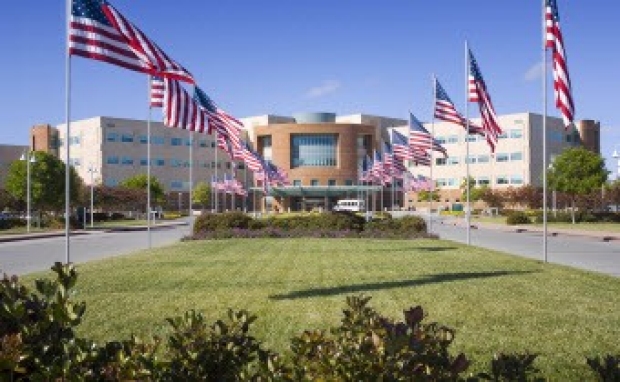
The VA Palo Alto Health Care System
The Veterans Affairs Palo Alto Health Care System is located just four miles from Stanford University Medical Center, with over 960 inpatient beds. All medical and surgical services are completely integrated with their respective Stanford departments. The Urology section at VAPAHCS provides comprehensive patient care with multi-disciplinary clinics in genitourinary oncology, stone disease, and spinal cord injury. The Palo Alto Health Care System serves as a regional Veterans Affairs referral center for genitourinary oncology; minimally invasive surgery, with advanced laparoscopic and robotic surgery platforms; and urolithiasis, with an on-site shock wave lithotriptor. The VAPAHCS also houses a West Coast regional spinal cord injury center.