Male Reproductive Medicine and Surgery Fellowship

Training Program Overview

Become proficient in the management of male members of an infertile couple and men with sexual dysfunction and/or hypogonadism. During this experience, the fellow will work with Dr. Eisenberg focusing on the evaluation of the infertile male and male with sexual dysfunction. The fellow will round daily with Dr. Eisenberg, attend clinic (usually 2-3 days per week), and scrub on surgical cases, usually 1-2 days per week. Learning will focus on the acquisition of a high-level multidisciplinary mindset to the management of an infertile couple with a focus on the medical and surgical treatment options available for the infertile man as well as the care of men with sexual dysfunction.

By the completion of the fellowship training, the graduating fellow will be responsible for comprehensive preoperative assessment, postoperative care, and outpatient clinic evaluation of MRMS patients. Fellows will be expected to perform as surgeons in the operating room. The fellow will have developed advanced surgical skills in open and microscopic cases and will be able to perform or actively assist in all complex MRMS operations. In addition, the fellow will have administrative duties to help the chief residents in urology and fellows in gynecology organize the service, including teaching residents and medical students. The fellow will have learned how to communicate and interact with other consulting services and will have developed administrative and leadership skills.

How to Apply

To apply, please prepare and submit the following materials:

  • Three Letters of Recommendation
  • Personal Statement
  • Curriculum Vitae (CV)


The deadline for submission is the first of February every year.

Email PDF copies of all required documents to Taranjit Bains at bainstj@stanford.edu. Applications may be submitted at any time before the deadline.

Faculty

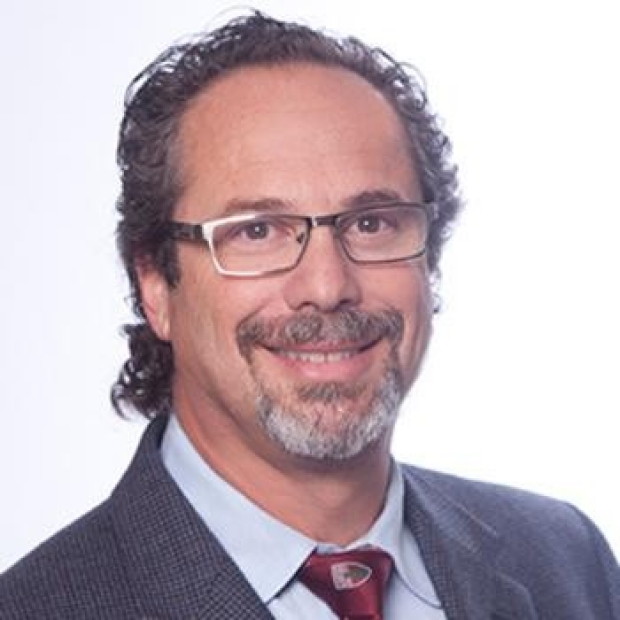
Michael Eisenberg, MD

Fellowship Director
Professor of Urology

Julia J. Chang, MD

Clinical Assistant Professor of Medicine
(Endocrinology, Gerontology, & Metabolism)

Susan Seav, MD

Clinical Assistant Professor of Medicine
(Endocrinology, Gerontology, & Metabolism)

Christina (Christy) Tise, MD, PhD

Assistant Professor of Pediatrics
(Medical Genetics)

Tony Chen, MD

Clinical Assistant Professor of Urology

Ruth Lathi, MD

Director, Division of Reproductive Endocrinology & Infertility
Professor of Obstetrics & Gynecology
(Reproductive Endocrinology & Infertility)

Liesl Nel-Themaat, PhD, HCLD, MBA

IVF Laboratory Director
Clinical Associate Professor of Obstetrics & Gynecology
(Reproductive Endocrinology & Infertility)

Contact Us

Michael Eisenberg, MD
Fellowship Director
meisenb@stanford.edu

Taranjit Bains
Associate Director of Education
bainstj@stanford.edu

Educational & Clinical Training

The fellowship seeks to broaden medical knowledge in a multidisciplinary fashion by educating fellows in the basic science, anatomy, physiology, and benign pathology of male sexual and reproductive function. Fellows receive advanced training in the clinical care of patients with disorders of the male genitalia through both surgical and non-surgical approaches, with an emphasis on problem-based learning and improvement based on investigative evidence. The program also instructs and mentors fellows in research techniques, including the planning and performance of meaningful research within this subspecialty. These objectives are achieved through the development of interpersonal communication skills that support collaboration, professionalism, teamwork, and adherence to ethical principles.

The primary goal is to train urologists with a broad knowledge base and expertise in male reproductive and sexual medicine and surgery while increasing research efforts in this field. Through the integration of expanded knowledge, improved clinical care, and sound research, the program seeks to improve healthcare outcomes for a growing population of men with these conditions, while also enhancing the education of residents, students, nurses, and other healthcare providers across urology, obstetrics and gynecology, pediatrics, and internal medicine at the institution.