

DEPARTMENT NEWS HIGHLIGHTS
-
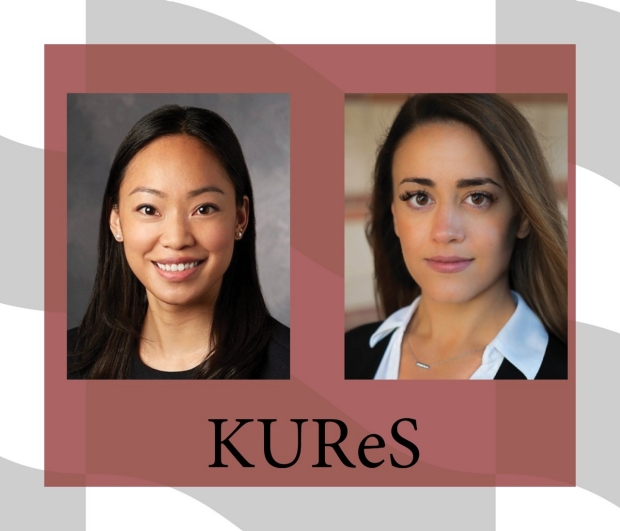
Introducing the Inaugural Scholars of K12 Urology Research at Stanford (KUReS) Career Development Program in Benign Urology
Meet the inaugural scholars of the K12 Urology Research at Stanford (KUReS), Kathleen Kan, MD and Alexandra Polasko, PhD! Kan, a clinical assistant professor of urology and a pediatric urologist, studies pediatric lower urinary tract symptoms (pLUTS), a prevalent and often overlooked condition ...
-
Prostate Cancer Diagnosis and Treatment: Stanford Urology’s Breakthroughs in AI Integration
In an interview, Dr. Sonn reveals the significant advancements in prostate cancer diagnosis and treatment, particularly through the integration of imaging and artificial intelligence (AI). Traditionally, the pathway for diagnosing prostate cancer involved an abnormal prostate-specific antigen (PSA) test leading to ..
-
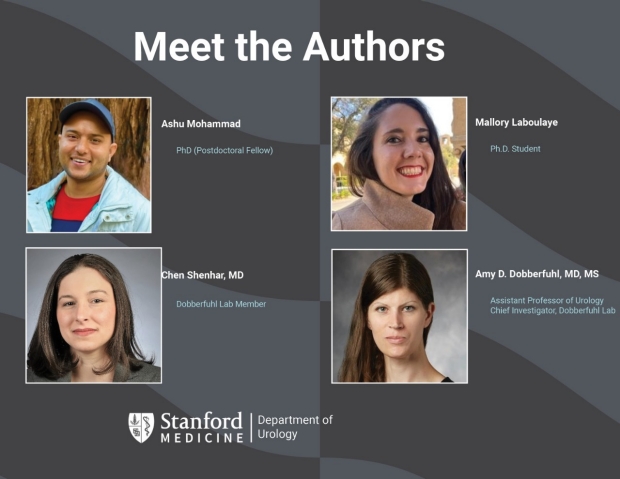
Stanford Urology Researchers Illuminate New Avenues in Interstitial Cystitis Research
In a celebration of growth and enhanced patient care, the Stanford Urology Clinic in Pleasanton proudly inaugurated its expanded facility on February 19th. The ceremony, attended by Stanford Healthcare senior staff, clinic doctors, and dedicated personnel, marked ...
-
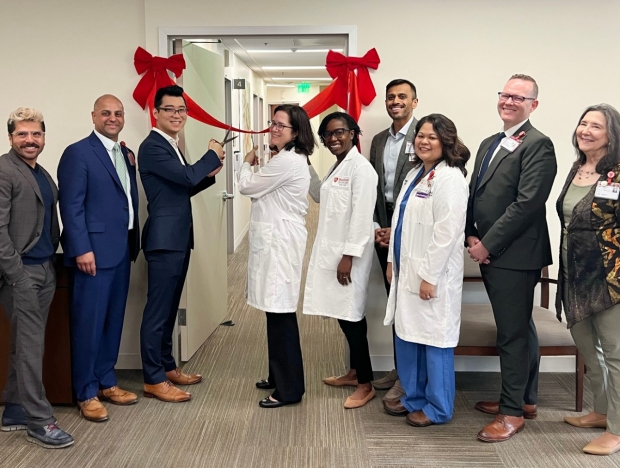
Expanding Horizons: Inauguration Ceremony Marks Milestone for Stanford Urology Clinic in Pleasanton
In a celebration of growth and enhanced patient care, the Stanford Urology Clinic in Pleasanton proudly inaugurated its expanded facility on February 19th. The ceremony, attended by Stanford Healthcare senior staff, clinic doctors, and dedicated personnel, marked ...
-
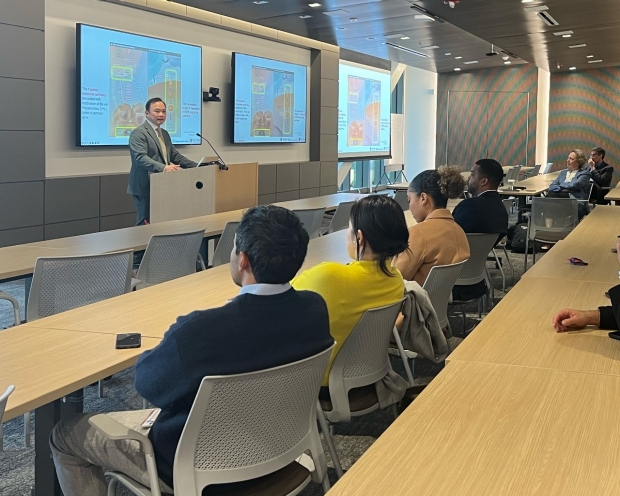
Full Circle Brilliance: Dr. Steven L Chang's Return to Stanford as the 27th Dorothy Fenmore Visiting Professor
In a notable homecoming, Dr. Steven L Chang, an esteemed urologic oncologist and Associate Professor of Surgery at Harvard Medical School, visited Stanford as the 27th Dorothy Fenmore Visiting Professor in Urology. This event…
Developing our Leaders
In addition to providing world-class patient care, carrying out cutting-edge research, and training the next generation of urologists, we are also committed to making the Stanford Department of Urology the best place possible to work. To that end, we work hard to nurture and develop leadership potential on our team. During this past year, many of our faculty members have participated in leadership development programs and/or have taken on new leadership responsibilities.
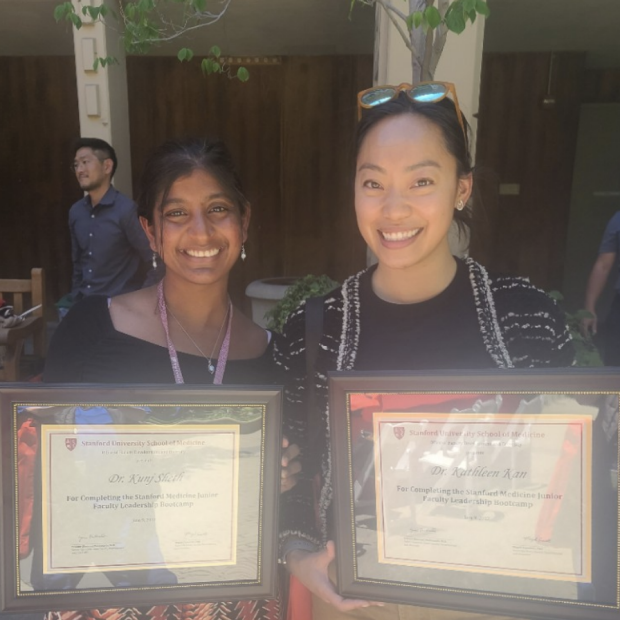
Drs. Kathleen Kan and Kunj Sheth participated in the Junior Faculty Leadership Bootcamp sponsored by the SOM Office of Faculty Development and Diversity this past year. Taking place over 12 months, this leadership bootcamp is aimed at introducing young faculty to the principles of leadership.
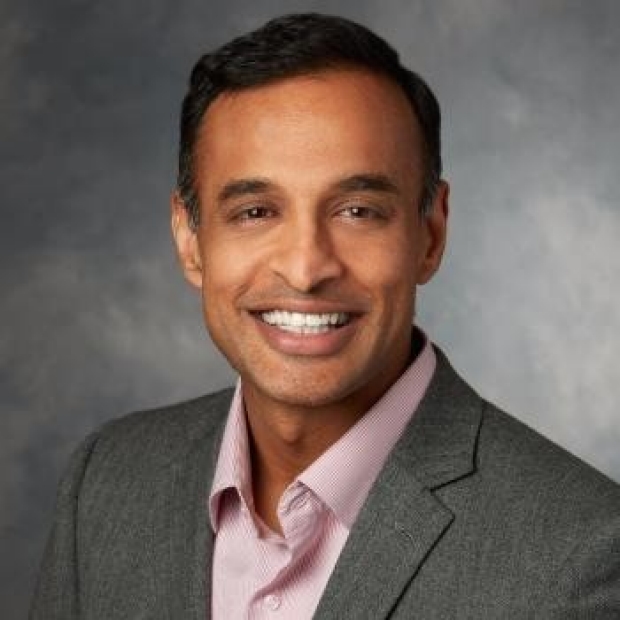
Dr. Jay Shah began his term as Chief of Staff of Stanford Health Care (SHC) on September 7, 2022. As Chief of Staff, Dr. Shah is responsible for overseeing the medical staff governance of credentialing, privileging, professionalism, quality, and safety at SHC. With a medical staff body of over 3000 providers, he also represents the voice of the medical staff to the senior hospital leadership. In addition, in his role as Chief of Staff, Dr. Shah joins the SHC Board of Directors. To make room for this important role, Dr. Shah stepped down from his roles as Physician Improvement Leader of Urology and Cancer Care Program Leader for Urologic Oncology. In addition to his Chief of Staff role, Dr. Shah will continue to serve in his roles as co-director of the Stanford Leadership Development Program and co-director of the Stanford Urologic Oncology Fellowship Program.
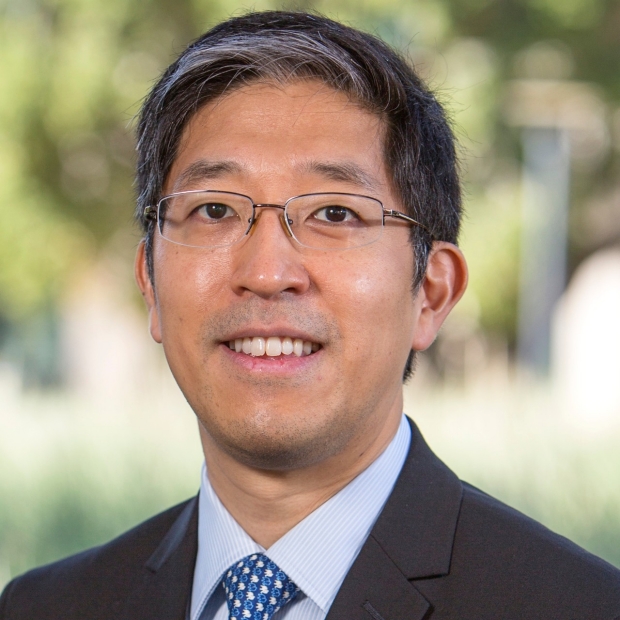
Dr. Timothy Chang assumed the role of Physician Improvement Leader (PIL) for the department of Urology starting September 1, 2022. As PIL, Dr. Chang will oversee the quality program for the urology department. He will lead the Urology Quality Council to ensure robust infrastructure that allows for continued implementation of quality improvement projects.
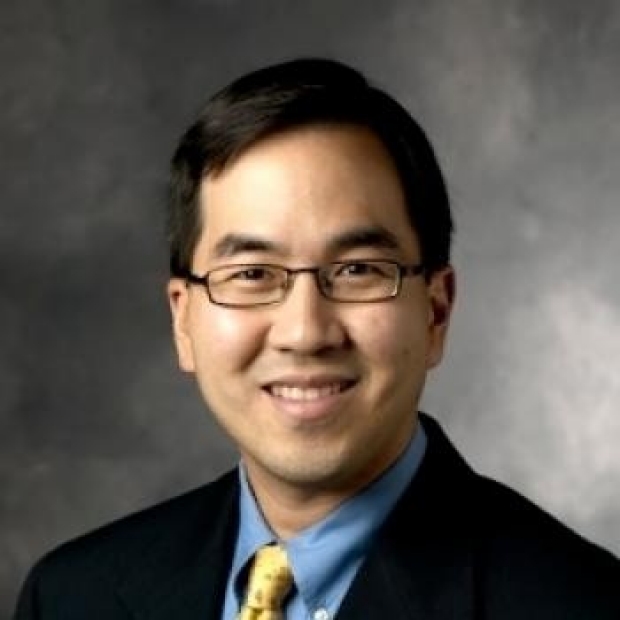
Dr. Benjamin Chung assumed the role of co-lead of the Urologic Oncology Cancer Care Program (CCP) starting September 1, 2022. Along with CCP co-lead Dr. Sandy Srinivas from genitourinary medical oncology, Dr Chung will be responsible for providing physician oversight of clinical operations for the urologic oncology clinic at the Stanford Cancer Center.
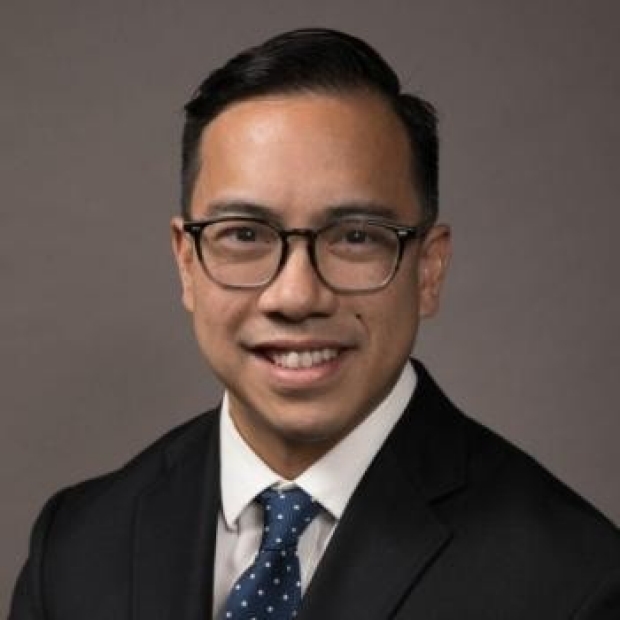
Dr. Kris Prado has taken on the role of assistant program director for our SUO-accredited fellowship training program in Urologic Oncology. In this role, he will work closely with Dr. Shah to ensure that the Stanford Urology department continues to recruit and train the future leaders of urologic oncology.